2025 CCLF ANNUAL MEETING
August 05, 2025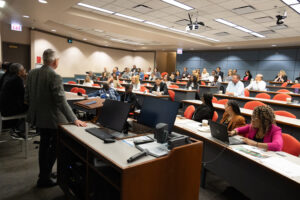
Chicago Community Loan Fund Annual Meeting
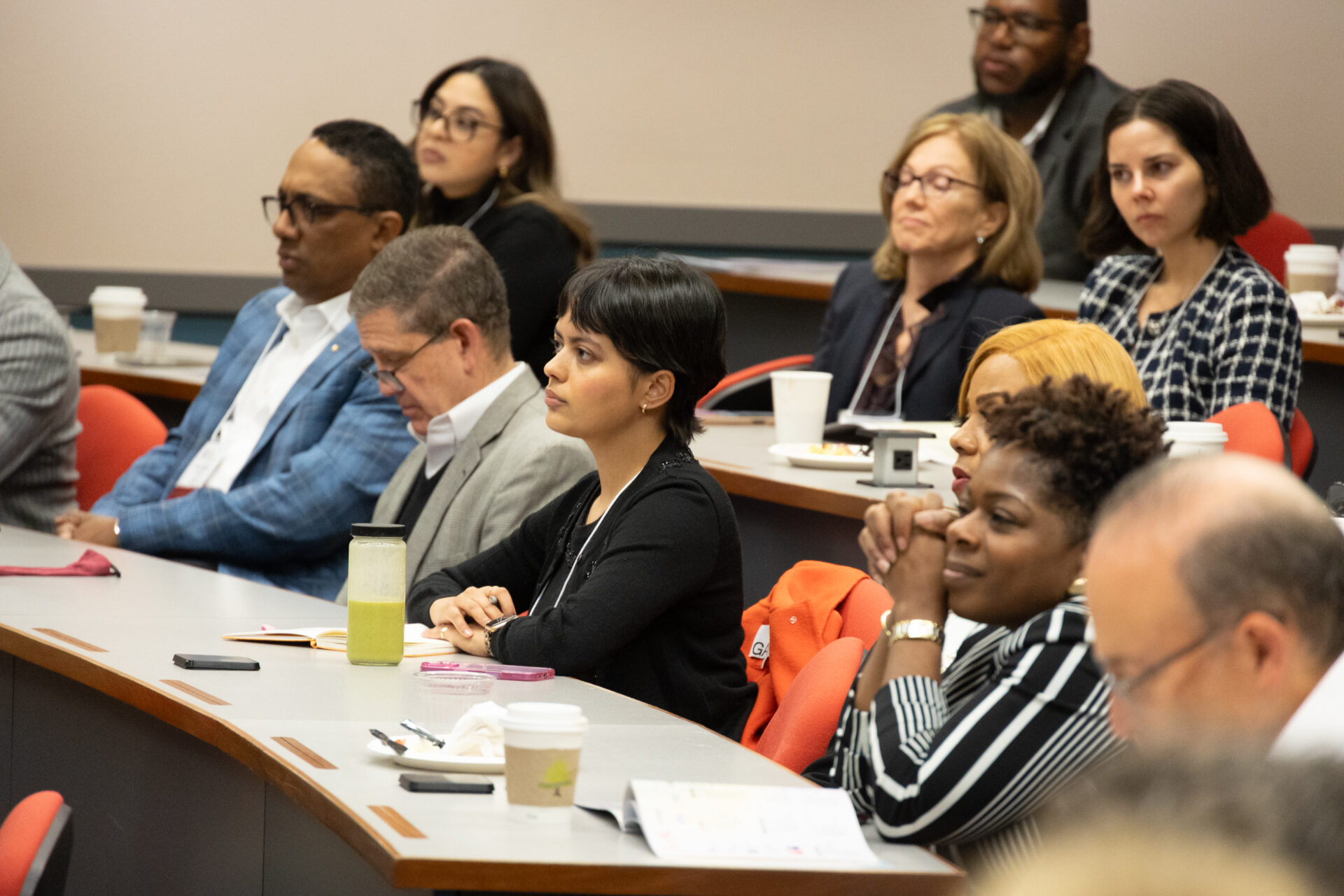
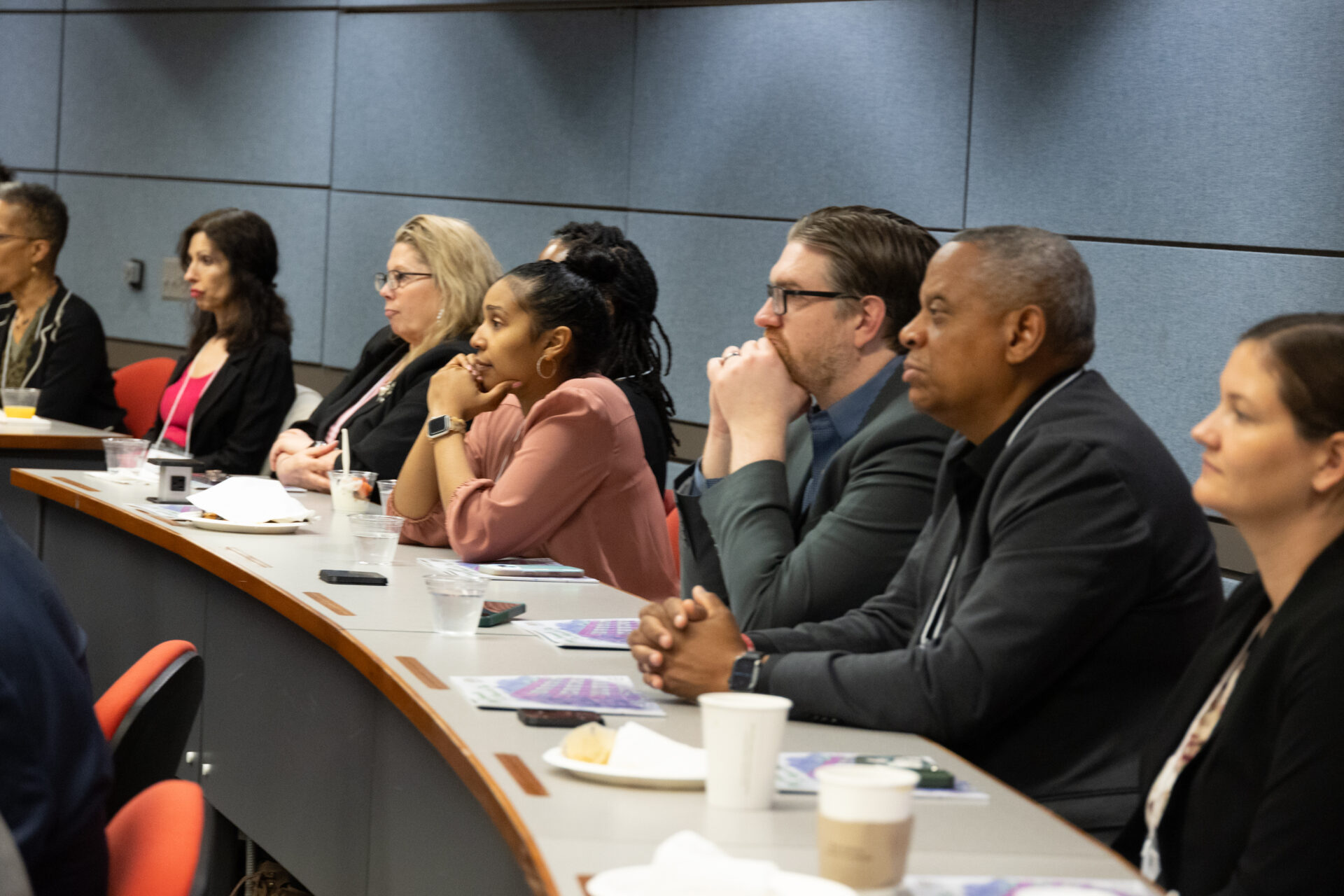
On Wednesday, May 21, CCLF staff, board members, investors, funders, and partners met at DePaul University’s downtown Chicago campus for CCLF’s Annual Meeting.
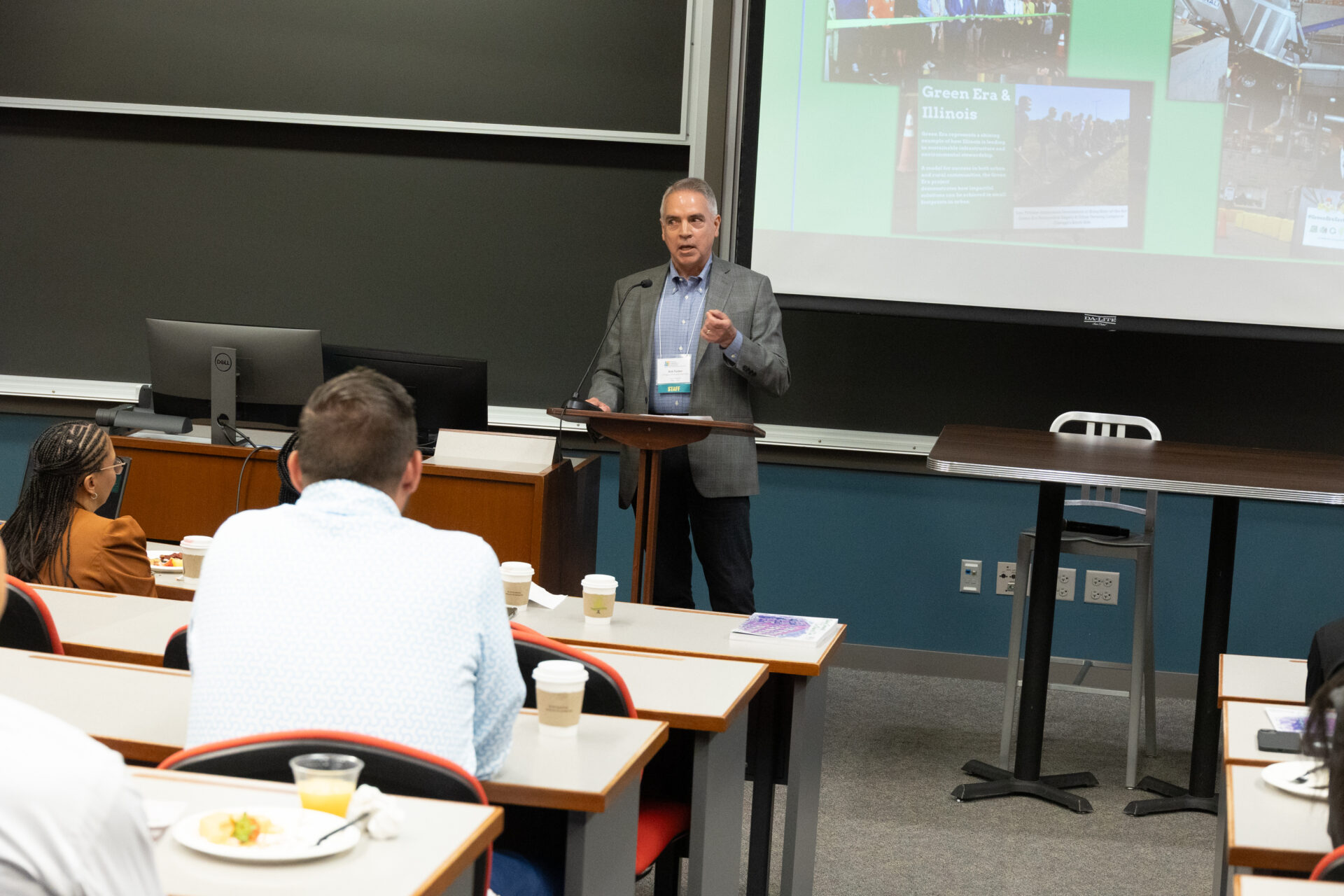
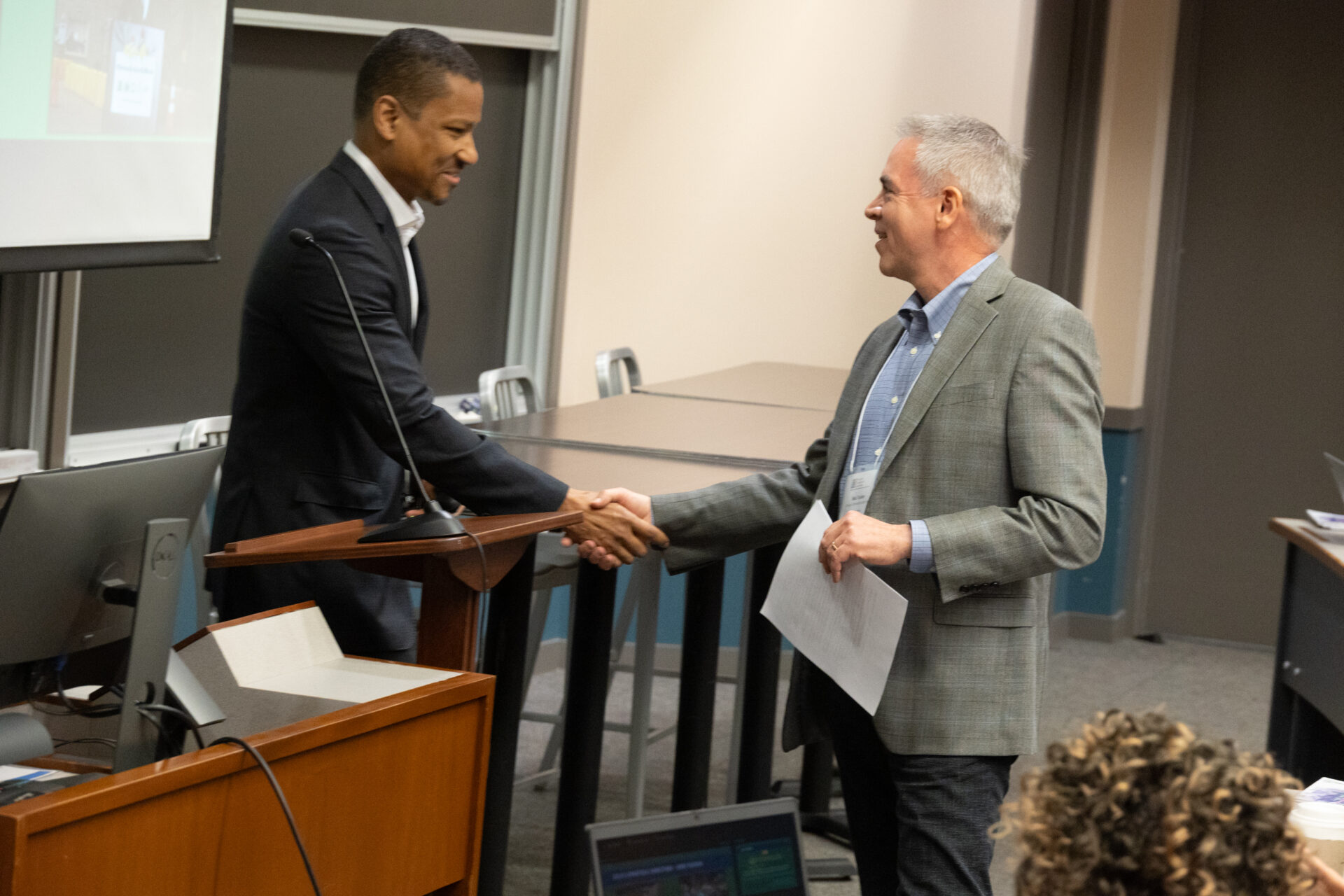
Erik Hall, CCLF Board Chair, welcomed attendees and provided an overview of the morning’s agenda. He recognized the board members in attendance and gave a special acknowledgment to Matt Reilein, Chair of the External Relations Committee, before introducing Bob Tucker, CCLF President.
Tucker acknowledged the significant contributions of Calvin Holmes who retired as president in December 2024 after nearly 30 years with CCLF.
Tucker said that CCLF had set an ambitious goal of reaching $200 million in assets by the end of 2024 – a target that was exceeded, marking a strong conclusion to the 2021–2024 strategic plan. He also offered an overview of CCLF’s strategic direction and priorities for 2025–2028. He shared remarks on how the organization is responding to today’s political and economic challenges and outlined his vision for CCLF in his new role as President.

Erik Hall, CCLF Board Chair
Tucker thanked the CCLF staff and added: “None of our important work happens without everyone in this room – our Board for providing the vision and direction; the staff for doing the hard work every day; our investors for providing low-cost capital to us; and our funders for providing us with the resources to expand our efforts to achieve an even greater impact.” He then introduced Angela Dowell, Chief Financial Officer.
Dowell presented a financial snapshot of 2024 and the first quarter of 2025 and stated that CCLF’s current financial position is very strong. Total assets grew by $53.9 million from 2020 to 2023 – a 45% increase. CCLF closed 2024 with $206 million in total assets. CCLF continues to demonstrate sound financial strength, performance and risk management practices as indicated in its AA Aeris rating. This is the seventh consecutive year that CCLF has had a “clean audit.” Dowell thanked the portfolio, executive, and accounting teams for this success.
Dowell discussed the $15 million unrestricted grant from MacKenzie Scott to CCLF, noting that CCLF received $5 million of the grant in 2024 and the remaining $10 million in 2025. A $10 million low-cost investment from JPMorgan Chase also contributed to CCLF’s 2024 year-end surplus. These funds will help launch CCLF’s Communities of Color 2.0. targeted to be a $15 million fund for borrowers. Angela then introduced Lycrecia Parks, Chief Risk Officer and Vice President of Portfolio Management.
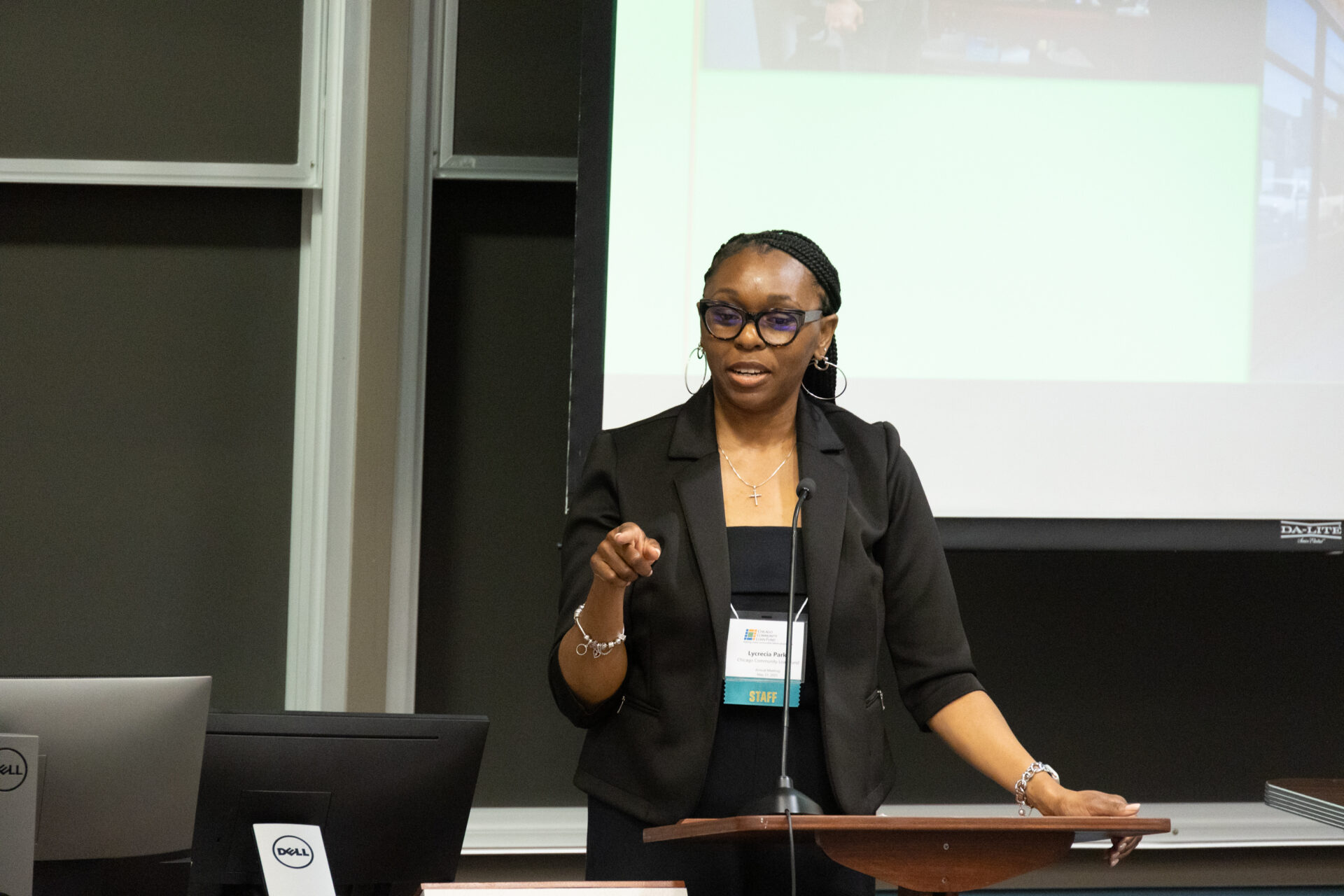
Parks shared highlights from the Portfolio Management team. In 2024, CCLF closed 38 loans totaling $31,844,916, creating or preserving affordable housing and jobs, improving nonprofit facilities, and supporting social enterprises. In 2024, CCLF’s Outstanding Principal Balance increased 8% to $138 million. As of the first quarter of 2025, CCLF had closed three loans with a total amount closed of $7,770,000. The first quarter of 2025 Outstanding Principal Balance was $146 million.
Parks also address a few key external challenges affecting CCLF borrowers, including budget cuts to housing programs locally and federally; Increasing costs, exacerbated by tariffs; labor shortage; permit delays; unfavorable macro trends (interest rates, property taxes); and cuts to social and green development programs. Parks introduced Wendell Harris, Executive Vice President of Lending Operations.
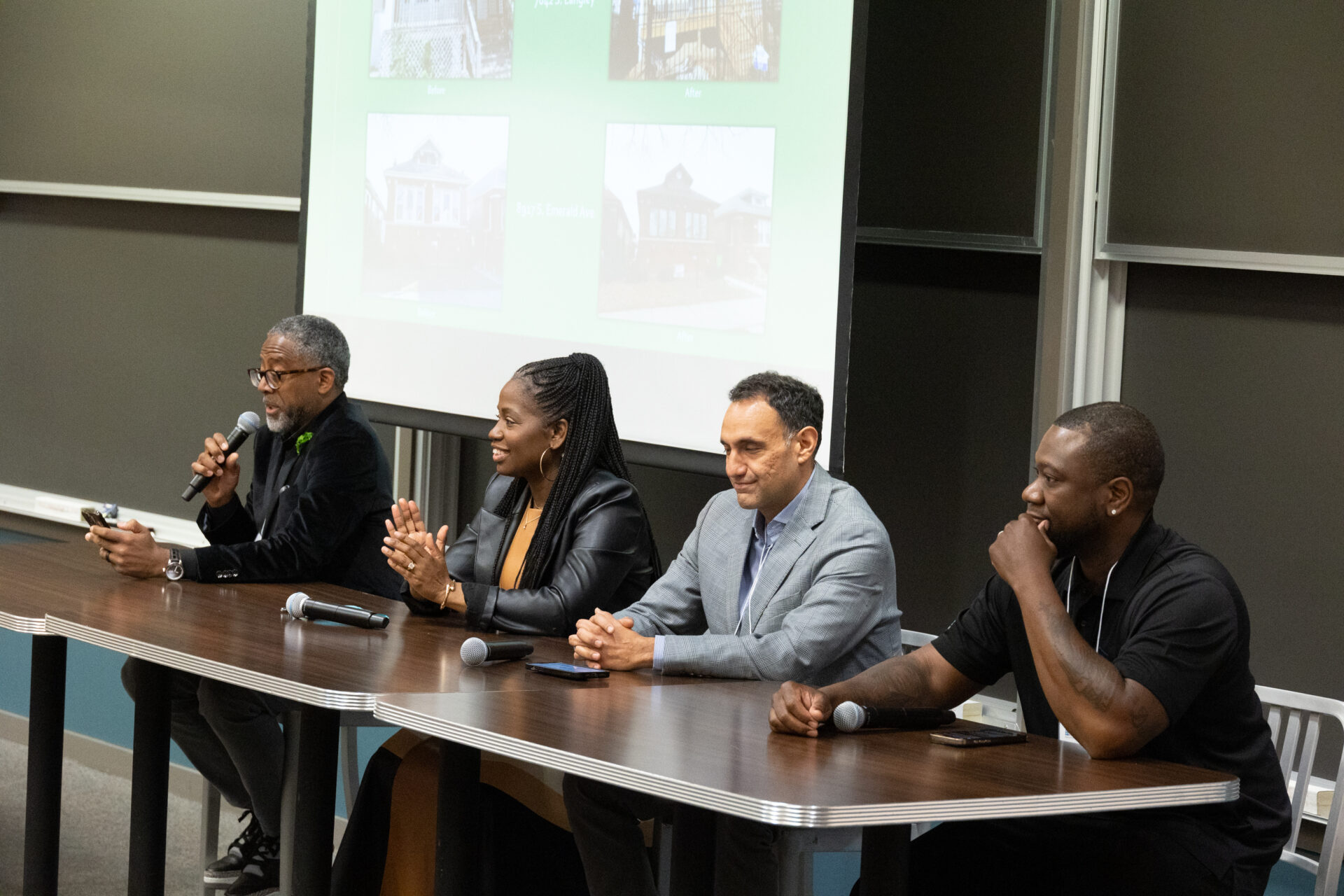
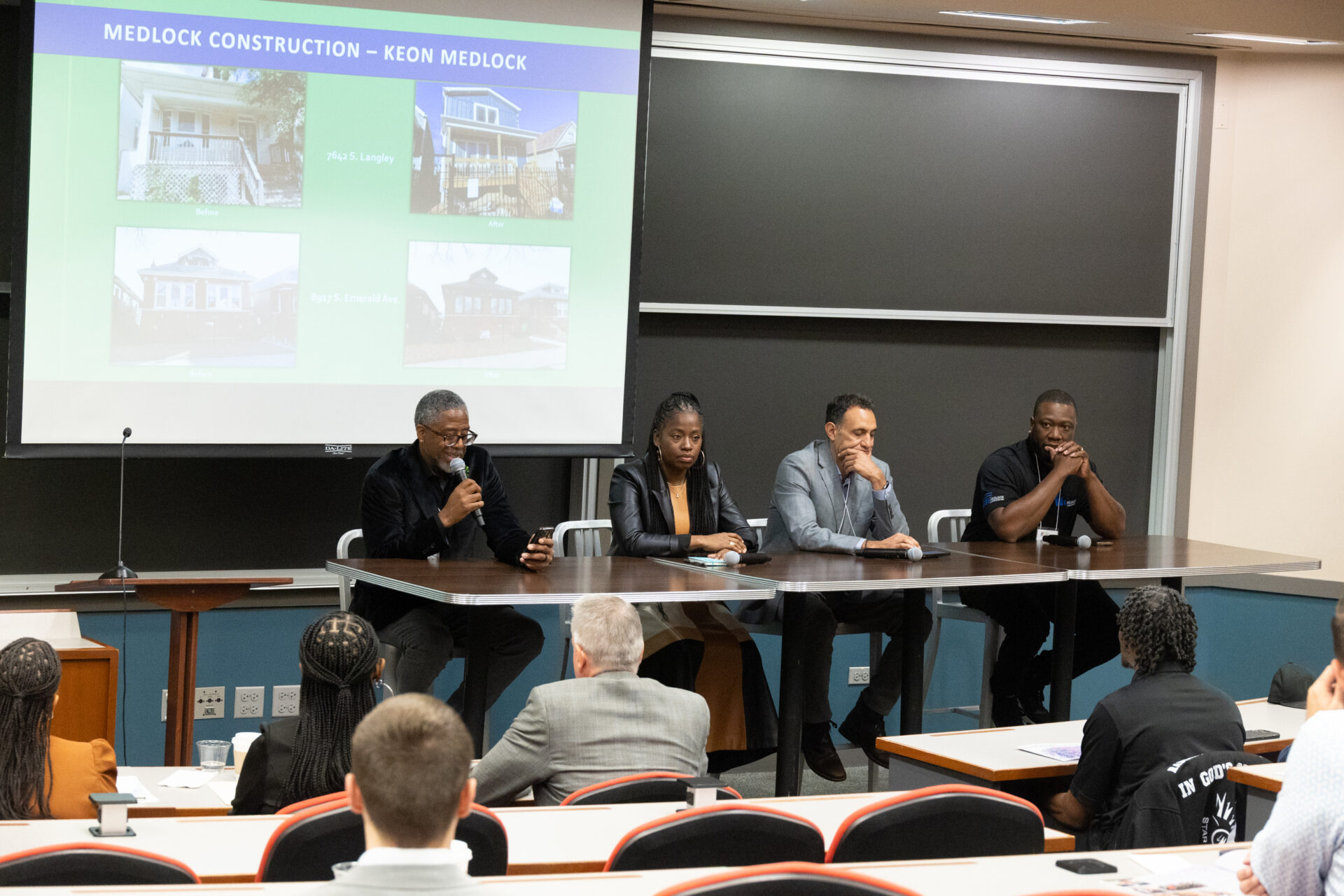
Harris introduced three CCLF borrowers and their team members who were invited to speak: Nakisha Harris-Hobbs and Anita Andrews-Hutchinson of It Takes a Village; Juan Saldana of P3 Markets; and Keon and Marvin Medlock of Medlock Construction and Development.
Harris moderated a discussion about their experiences managing the risk factors outlined by Parks, and the panel said that resilience and partnerships were needed ingredients to manage during these uncertain times.
The meeting concluded with Tucker reaffirming CCLF’s mission to provide flexible, affordable, and responsible financing and technical assistance for community stabilization and development efforts. As always, the focus is to benefit low- to moderate-income neighborhoods, families, and individuals throughout metropolitan Chicago.