HONORING PUBLIC HOUSING RESIDENTS
August 04, 2025
In response to the severe housing shortage during the Great Depression, the United States took its first major steps toward public housing reform in the 1930s. The Federal Housing Administration (FHA), established in 1934, played a key role in implementing housing initiatives under the New Deal – a broad set of programs and reforms designed to address the nation’s economic crisis. Public housing formally began with the passage of the United States Housing Act of 1937, which provided federal funding to develop affordable housing for low-income Americans.
According to a story on NPR’s Fresh Air highlighting Richard Rothstein’s book The Color of Law, “The government’s efforts were primarily designed to provide housing to white, middle-class and lower-middle-class families,” he says. “African Americans and other people of color were left out of the new suburban communities (funded by the New Deal) – and pushed instead into urban housing projects.”
Public housing was not initially designed for the poor. It was for middle-class and working-class white families because of the Great Depression; people were losing their homes and there was no new housing construction. Under this new program, many white public housing projects were built, and later, because of the obvious inequity, some were built separately for African Americans.
White public housing had many vacancies, but African American public housing had a long waiting list. Eventually, African Americans were allowed to move into some of the white projects because of the conspicuous imbalance. The FHA continued to subsidize suburban housing projects for ‘whites only’ so they could move out of public housing. Throughout the years, various nationalities lived in public housing across the U.S.
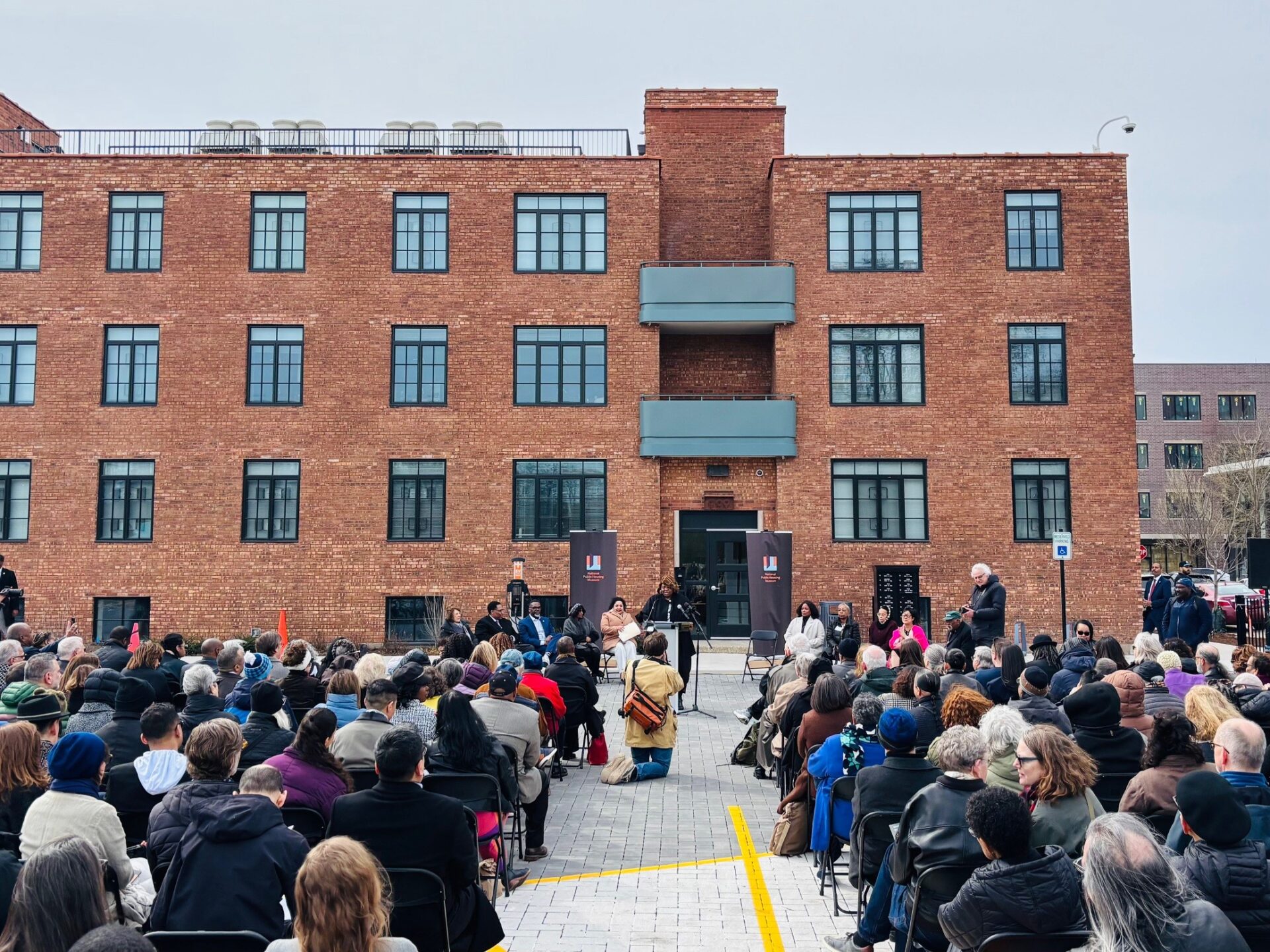
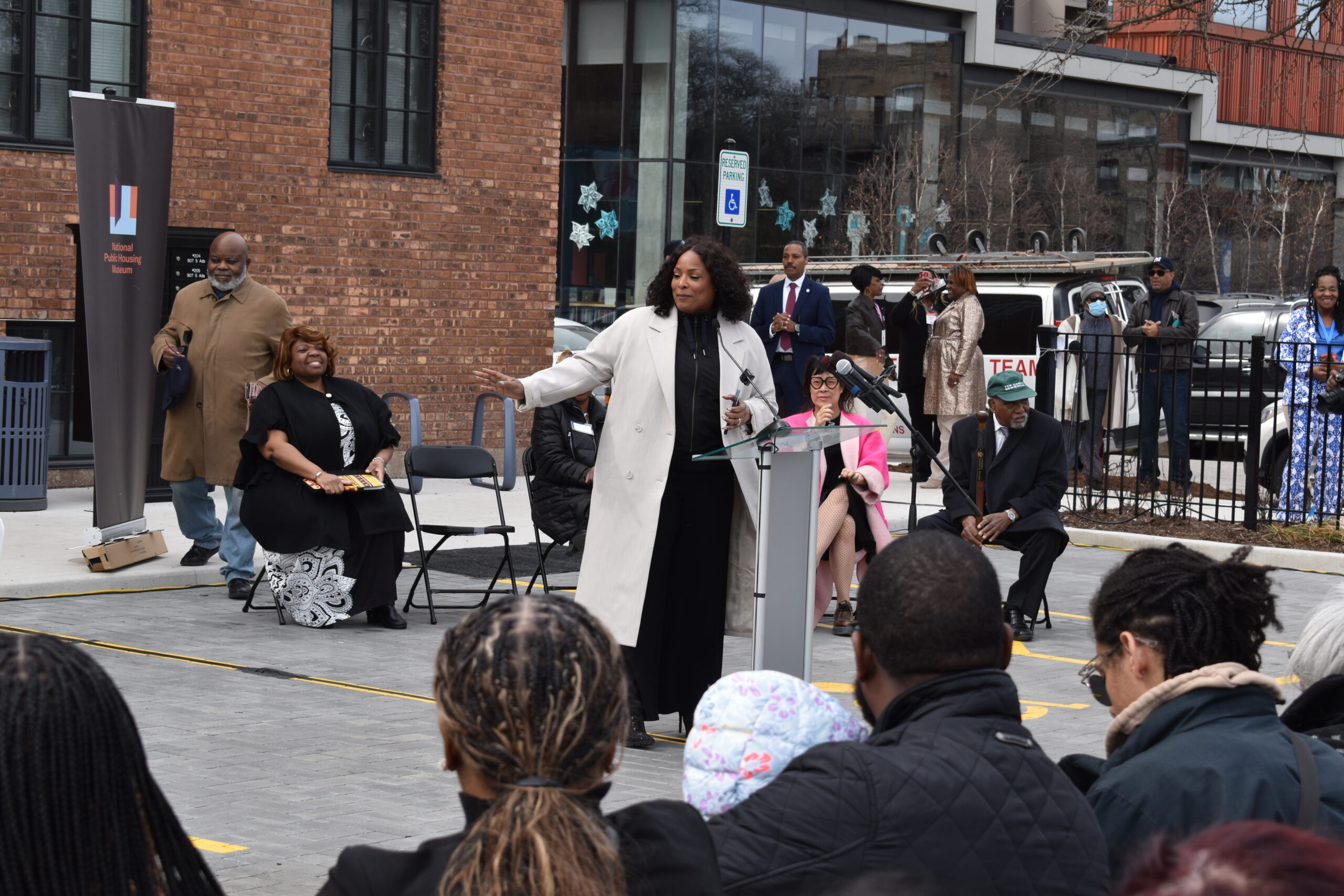
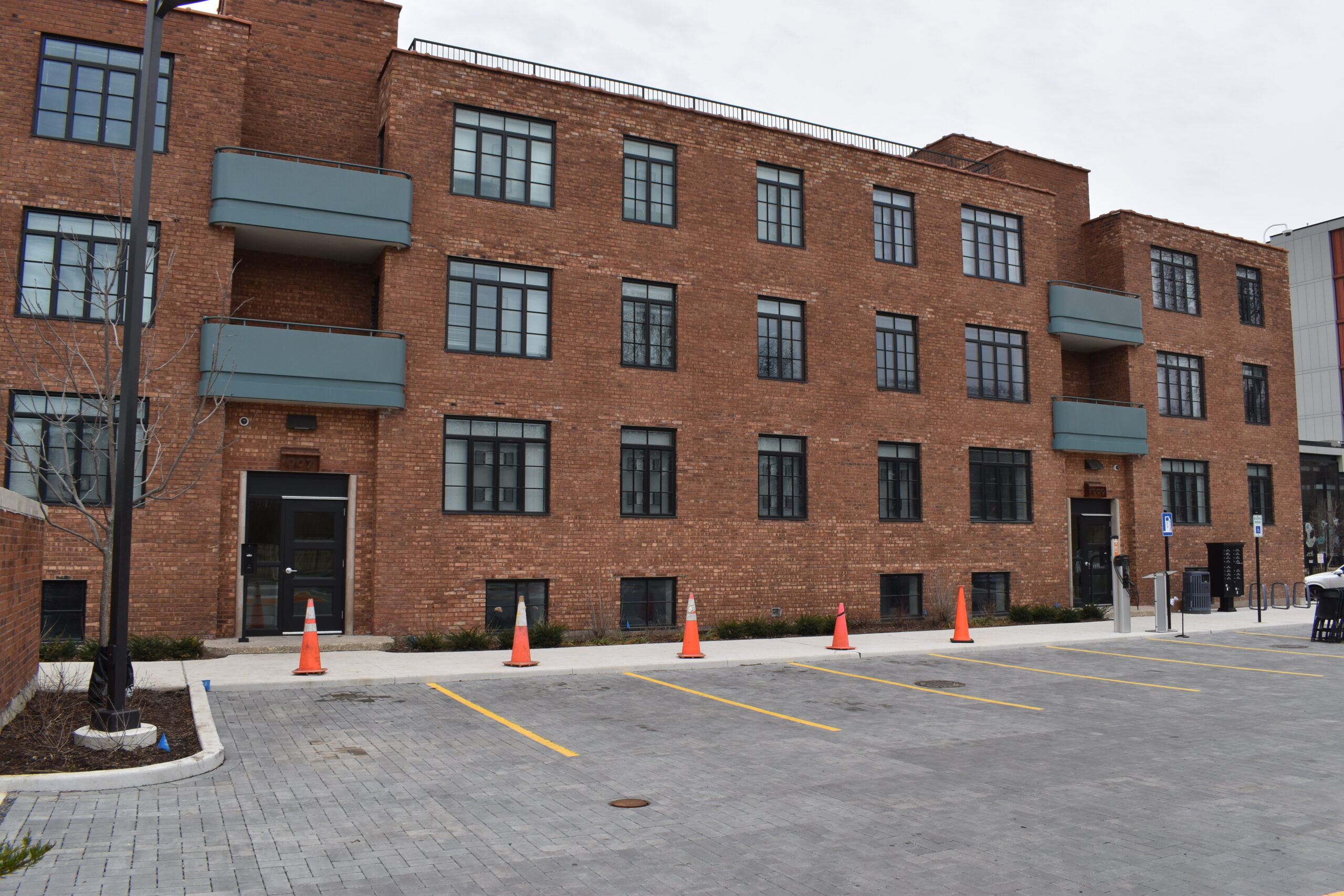
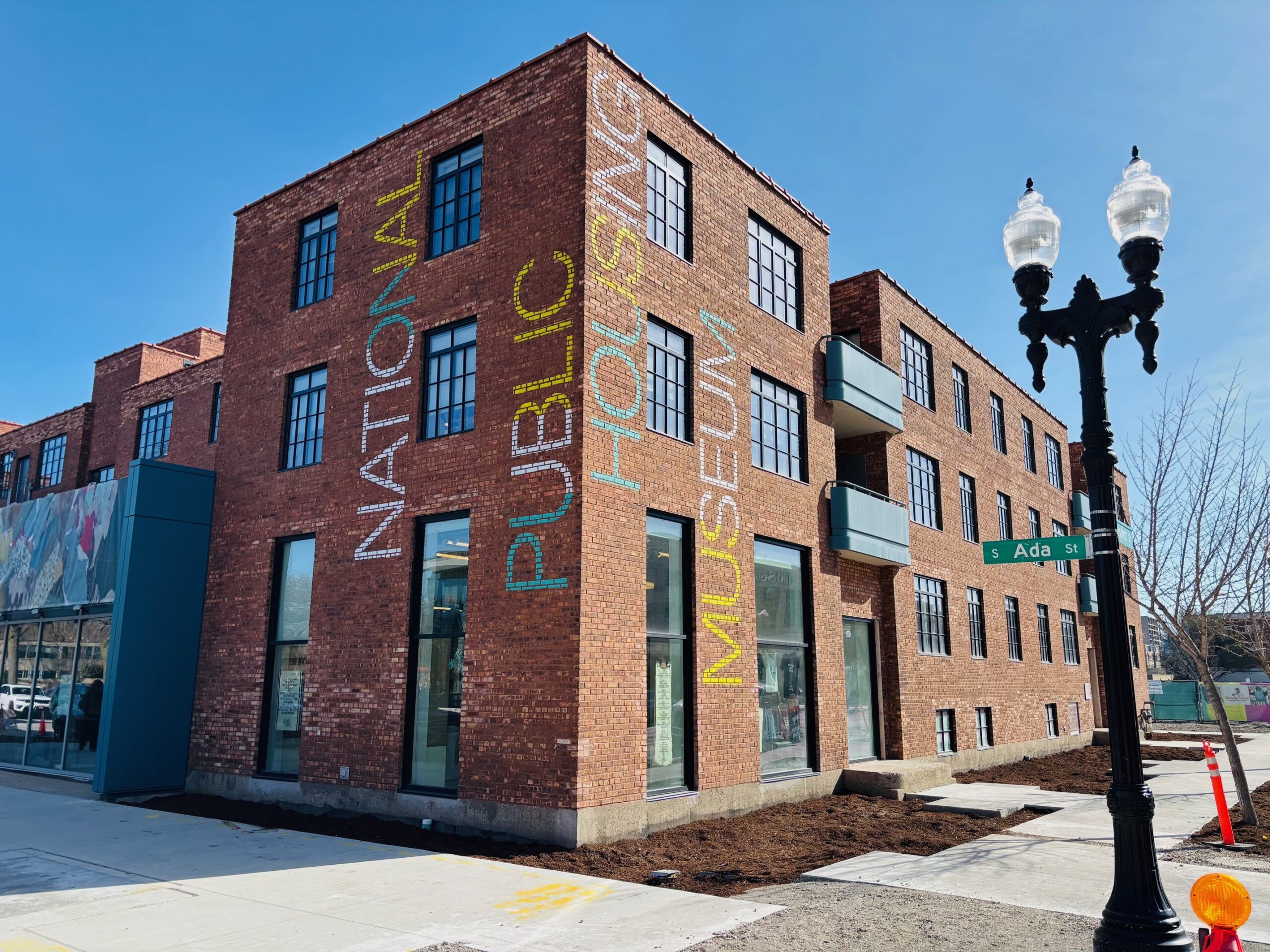
After nearly 90 years of public housing, a museum was built to honor the residents occupying those spaces. This long-awaited project is headed by Lisa Lee, Executive Director and Chief Curator for the National Public Housing Museum (NPHM) located in Chicago in the historic Jane Addams Homes at 919 South Ada Street.
“Monticello and Mount Vernon are historic house museums that are preserved because they tell the history of United States presidents,” said Lee. “The National Public Housing Museum is a house museum, but it tells the stories of tens of thousands of public housing residents, and it’s just as important.”
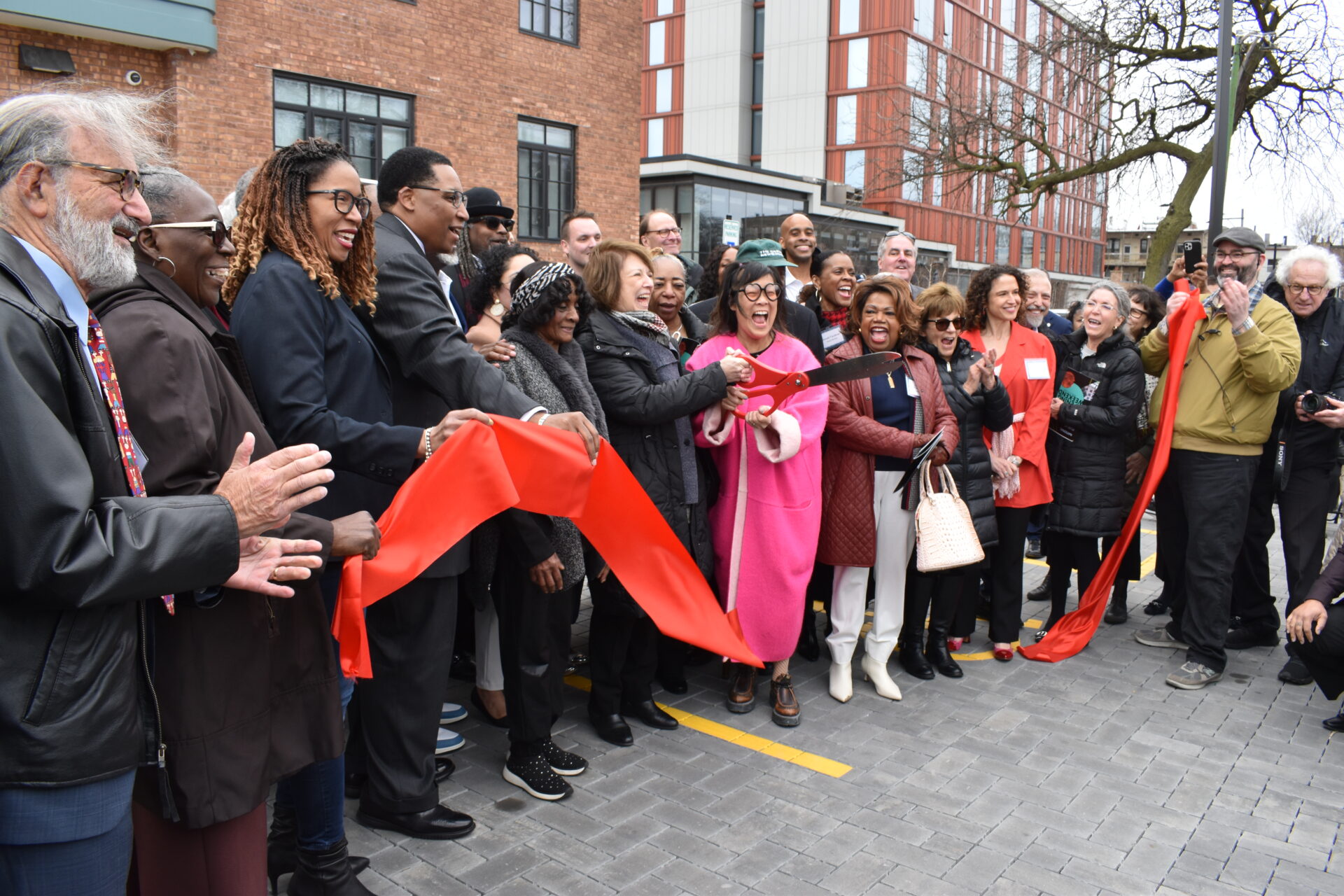
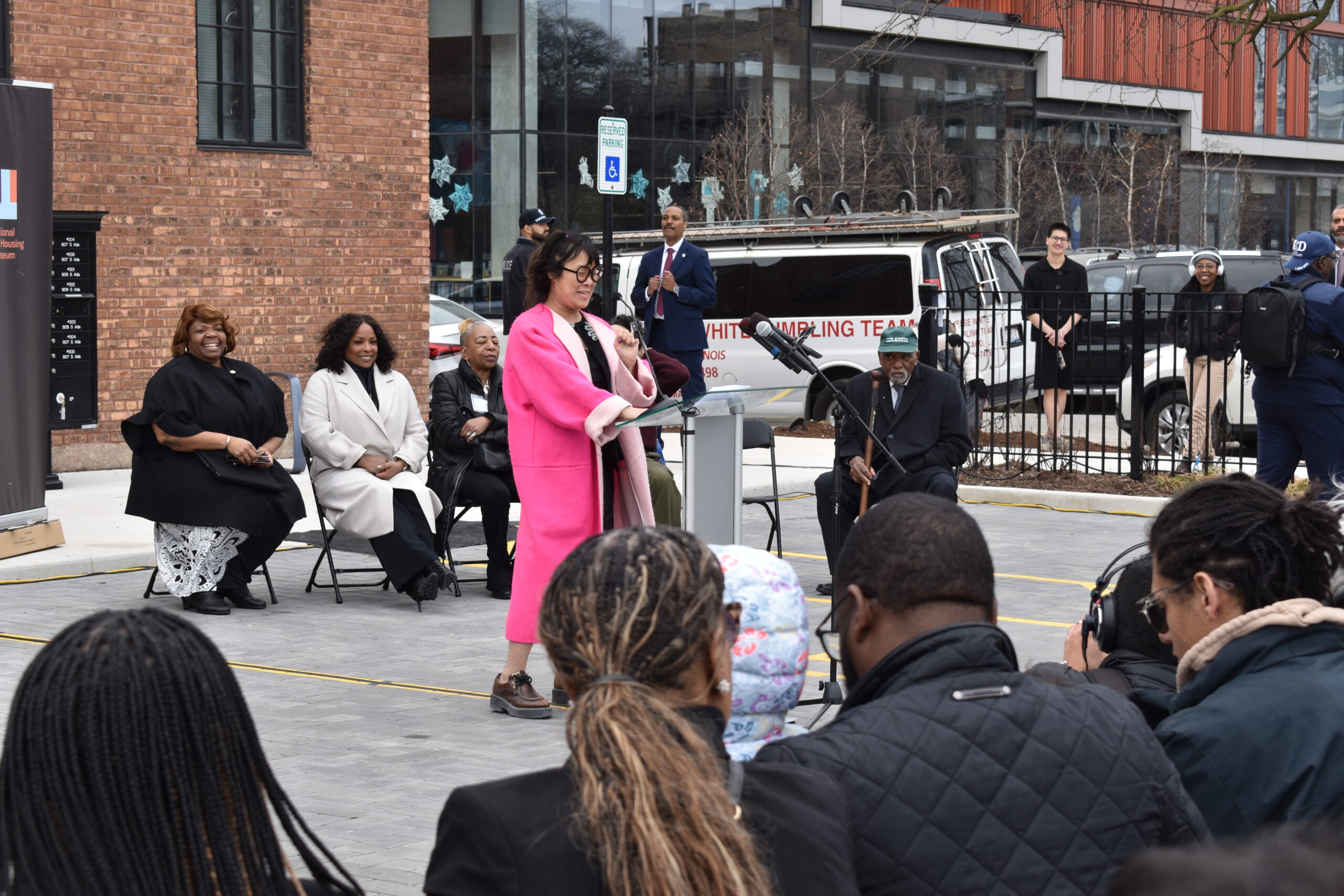
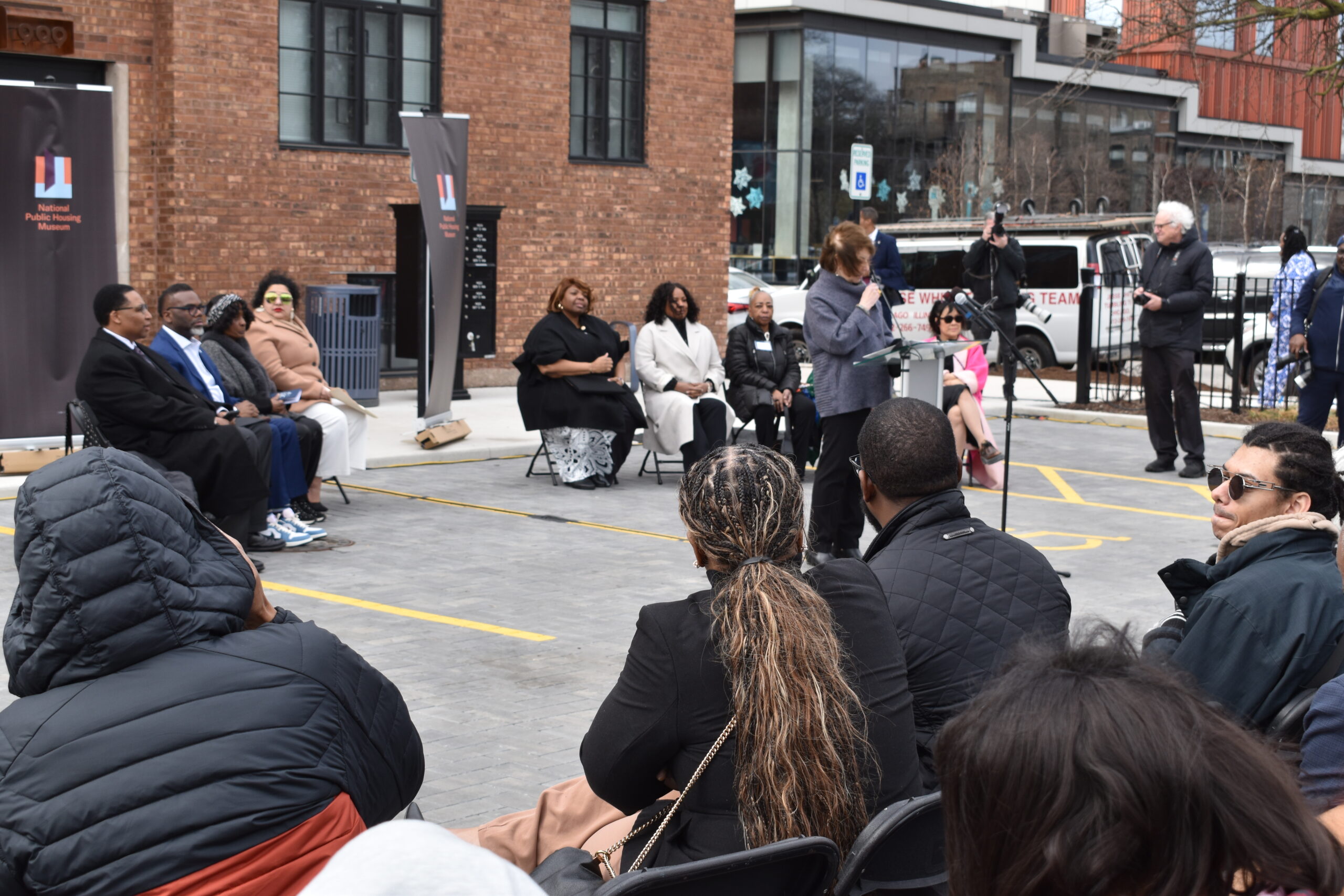
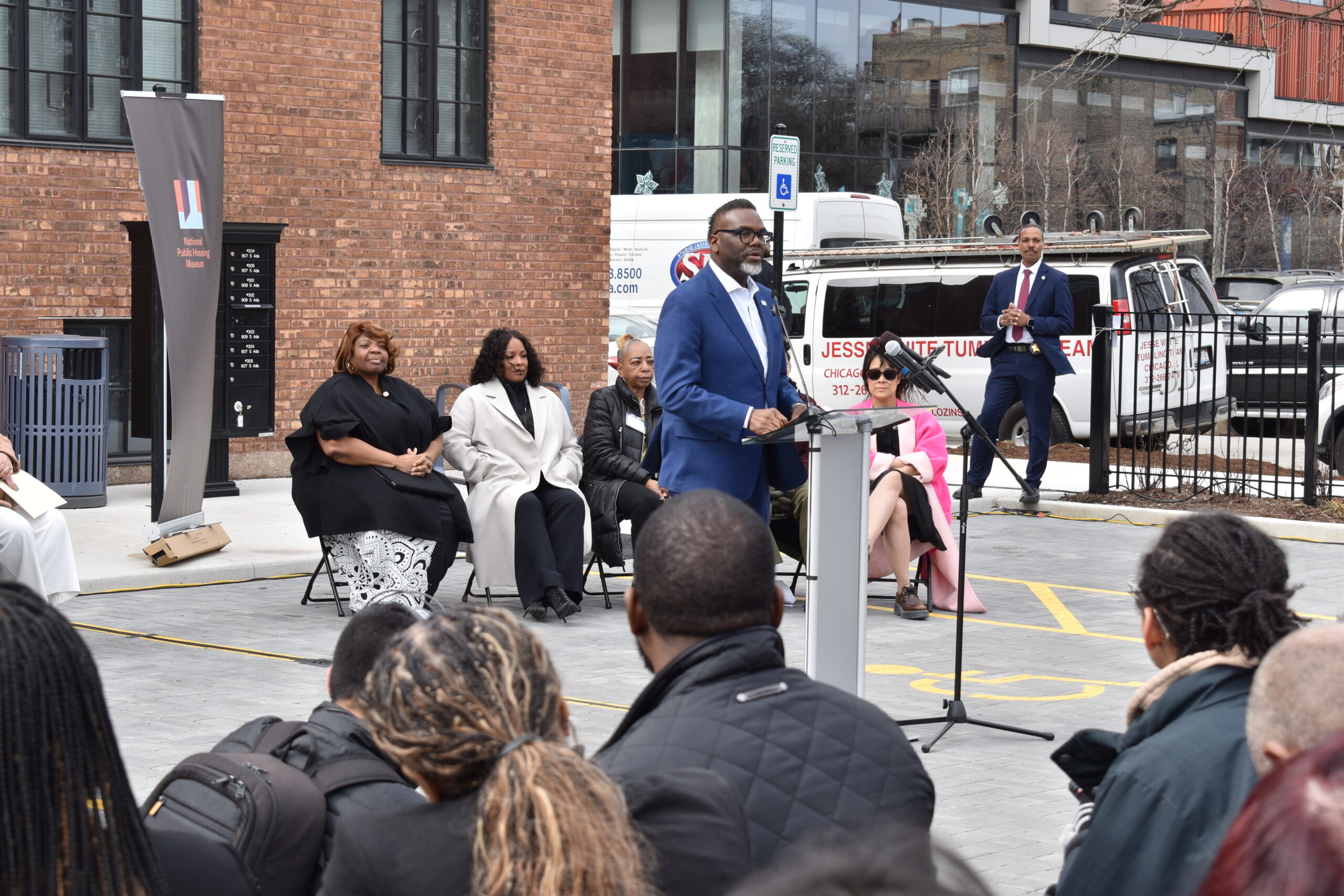
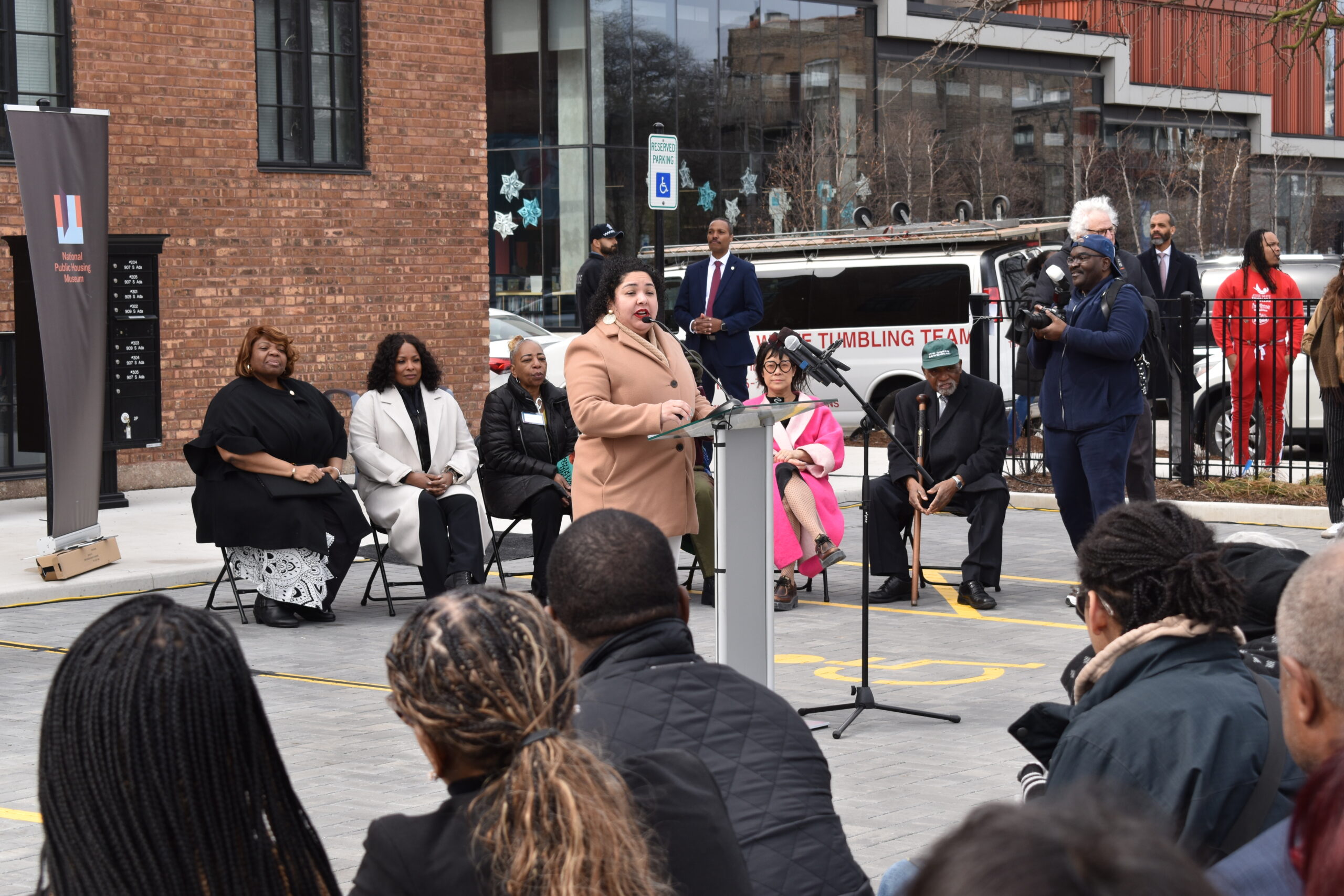
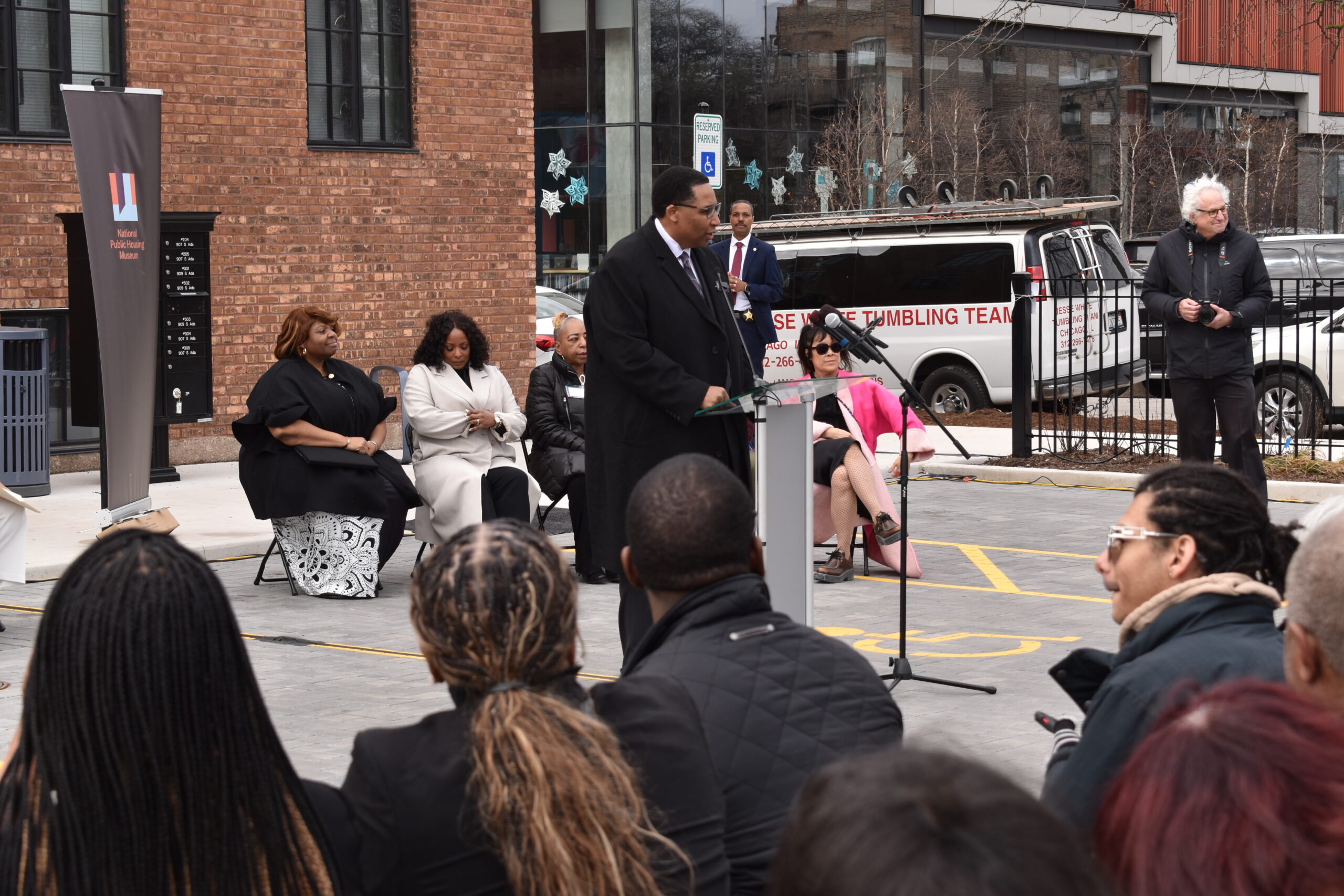
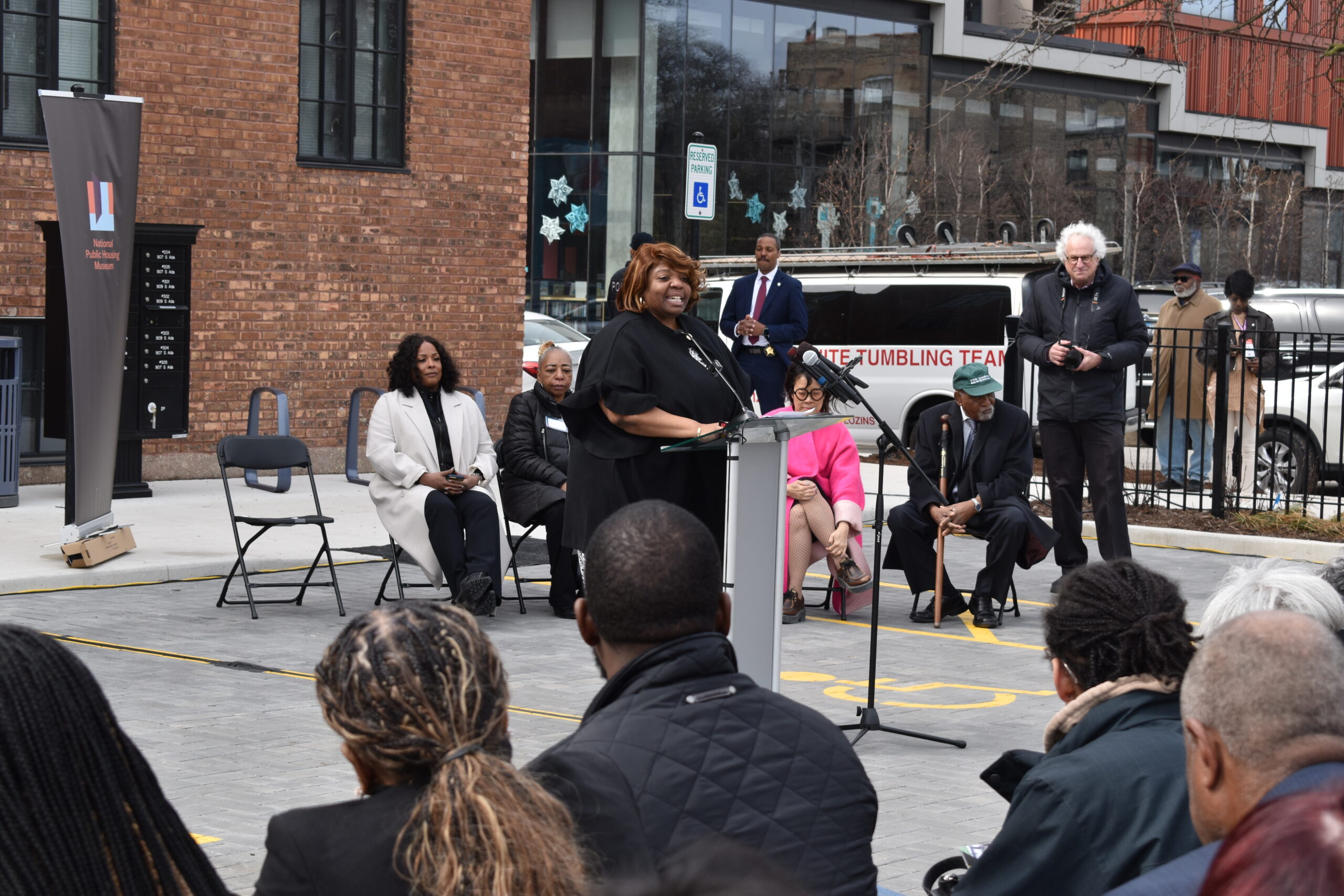
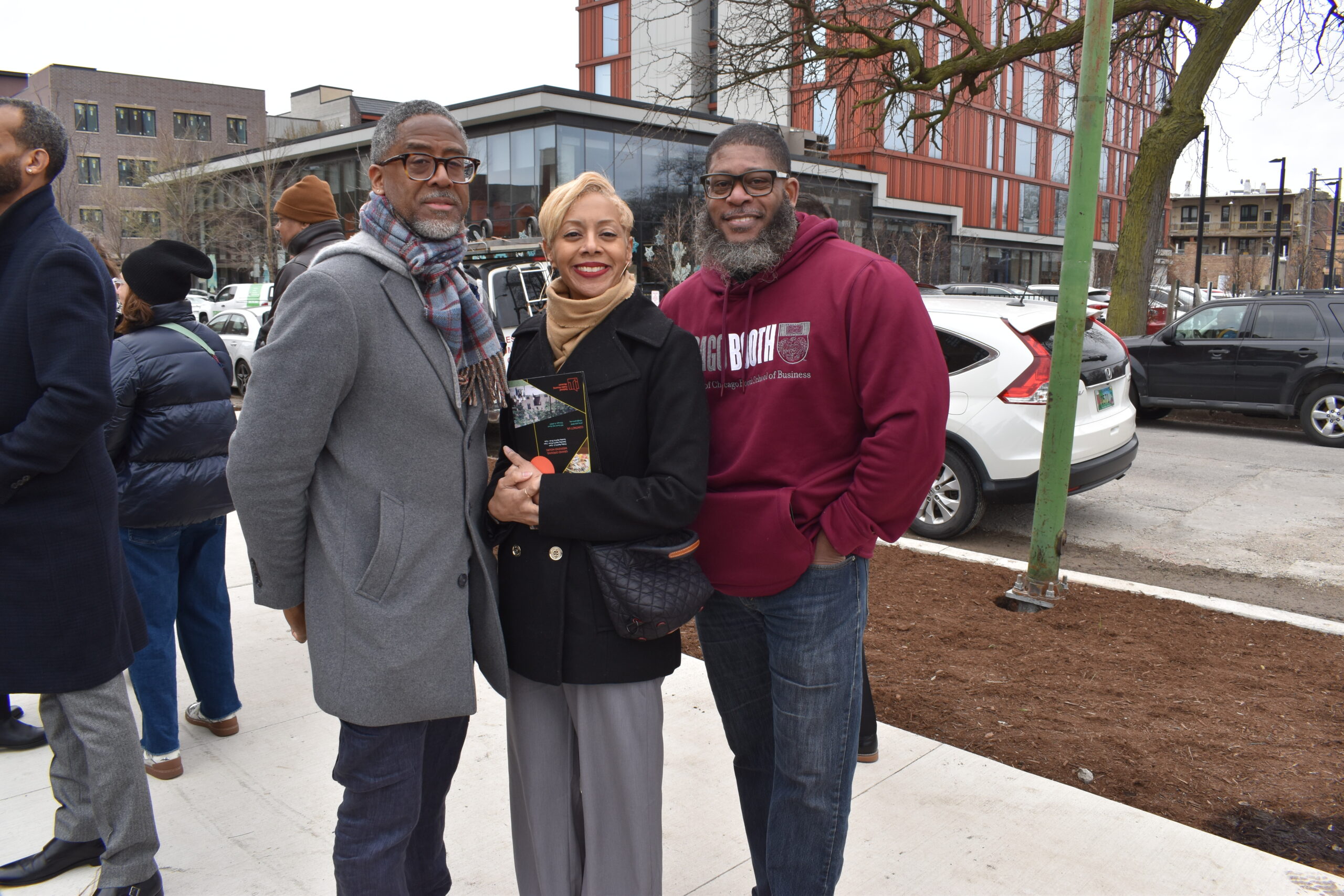
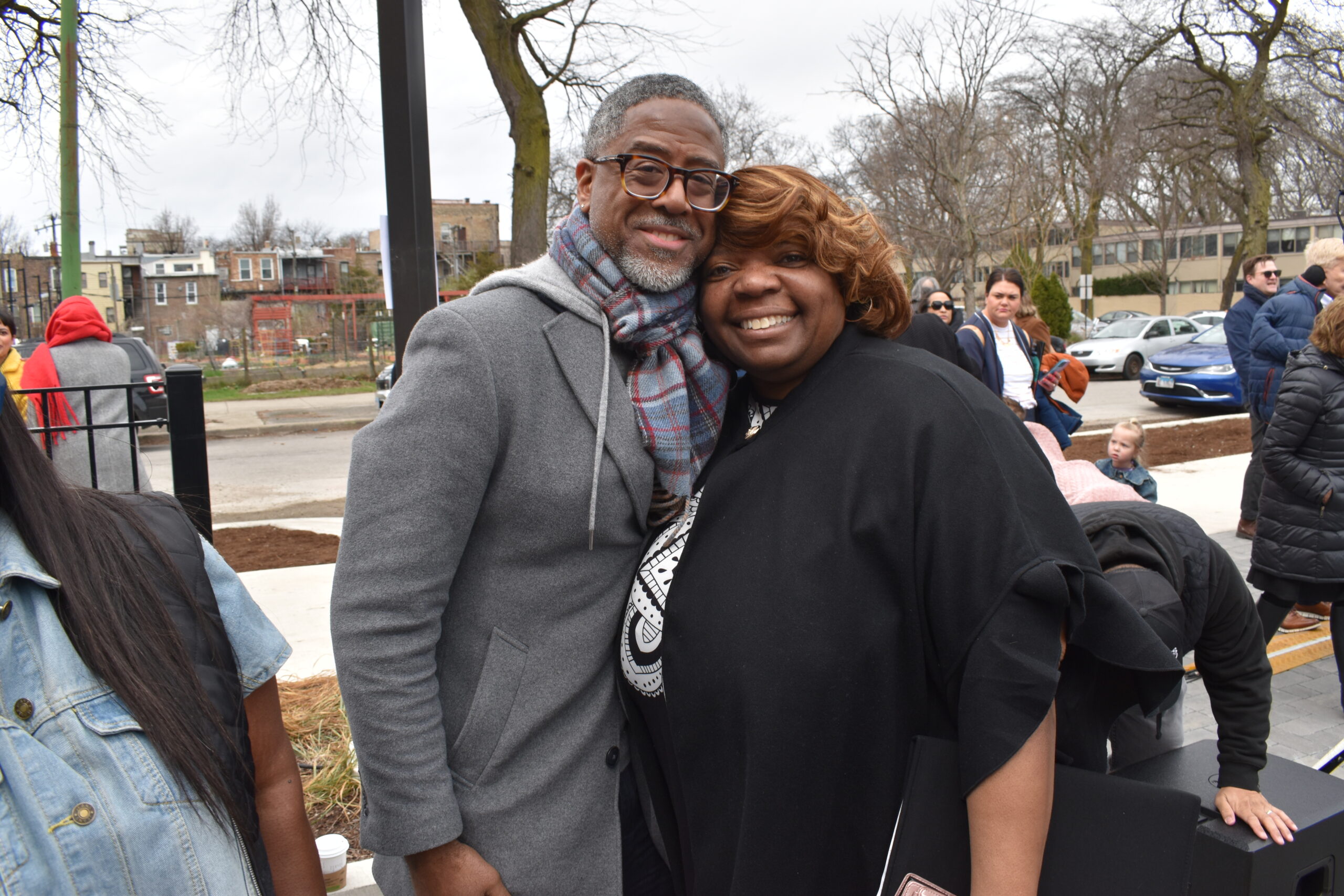
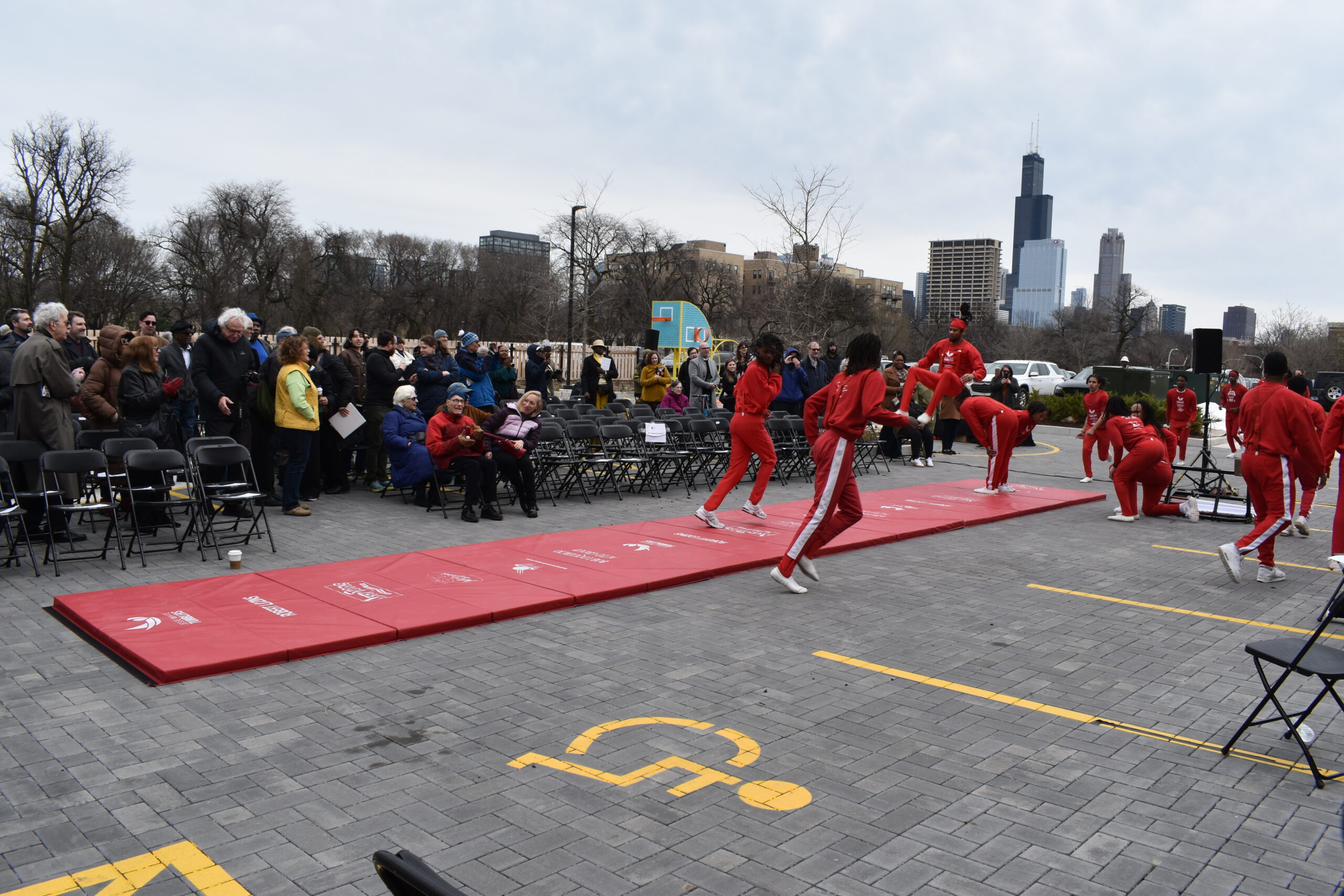
The ribbon cutting was full of fanfare and attended by current and former public housing residents, elected officials including Chicago Mayor Brandon Johnson; 28th Ward Alderman Jason Erving; CHA Interim Chief Executive Officer, Angela Hurlock; Department of Housing Commissioner, Lissette Castañeda; NPHM Board Chair, Sunny Fischer; DJ Spinderella of Salt-n-Pepa; and hundreds of curious Chicagoans.
CCLF provided NPHM a $1,750,000 construction loan through our Communities of Color Fund to support the storytelling of public housing residents. Chicago had 25,000 public housing units aimed for redevelopment as part of CHA’s Plan for Transformation.
“The National Public Housing Museum will provide visitors with an opportunity to see and understand how decades of federal, state, and local policies shaped the rise and fall of public housing across the country,” said Lycrecia Parks, Chief Risk Officer and Vice President of Portfolio Management at CCLF.
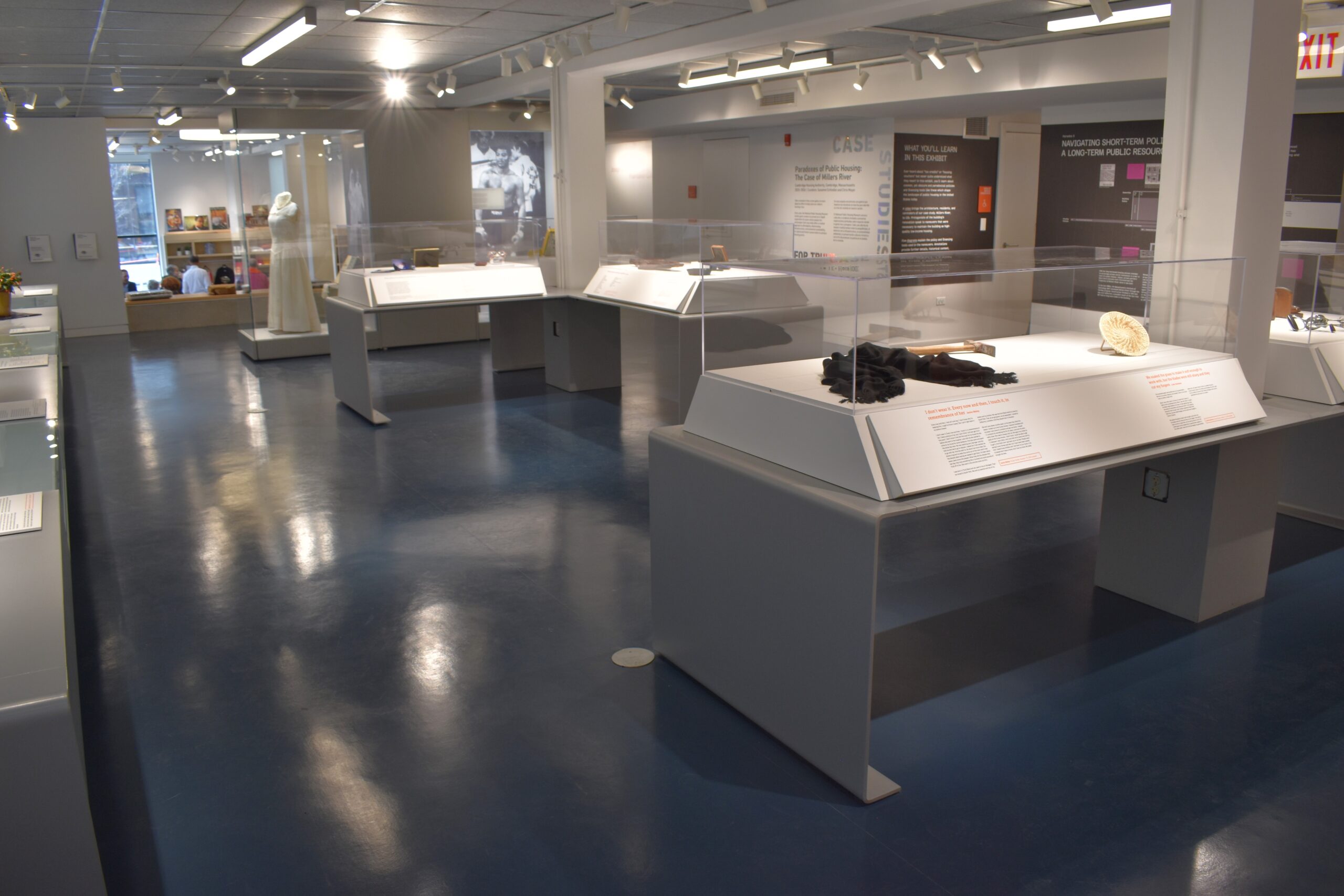
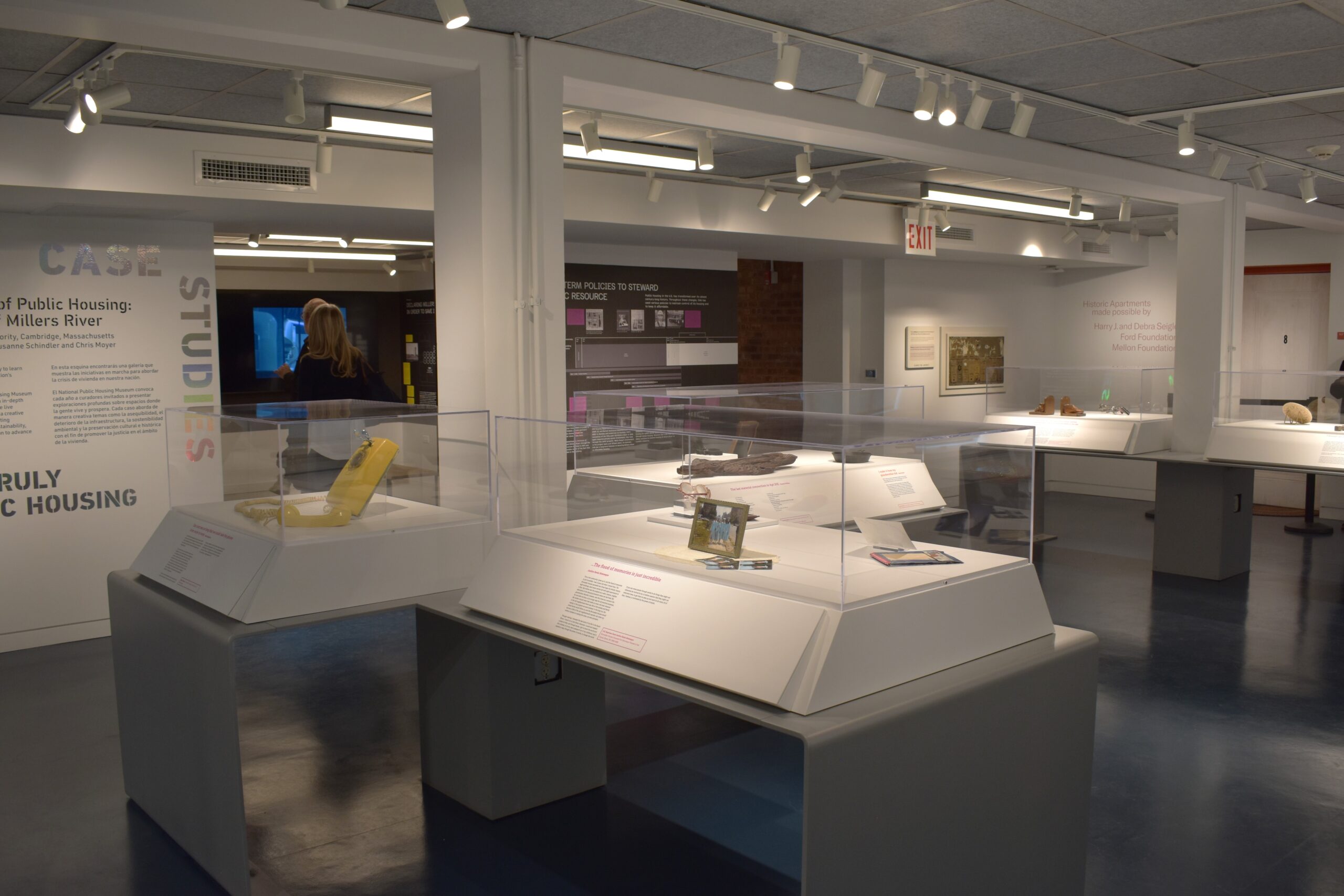
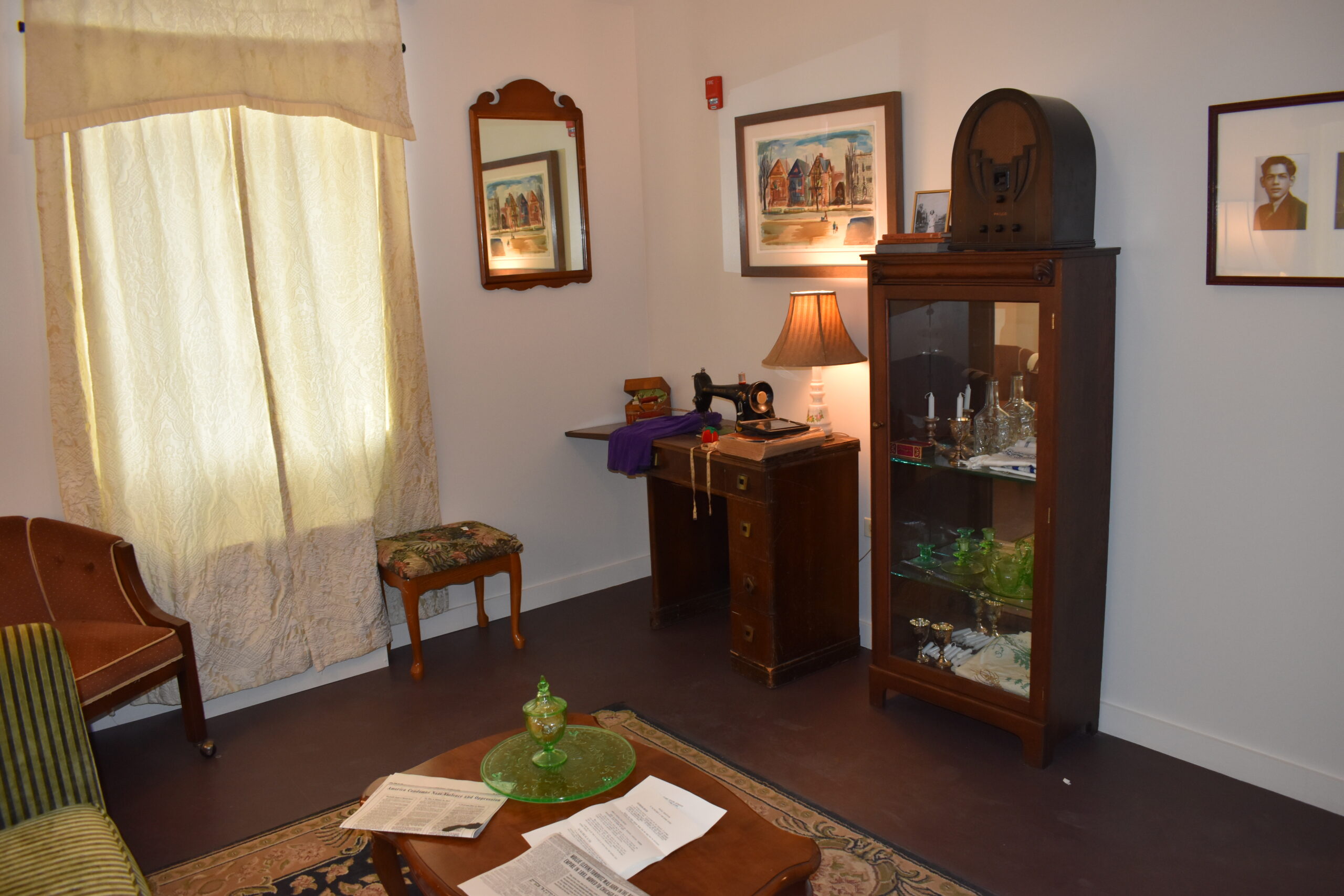
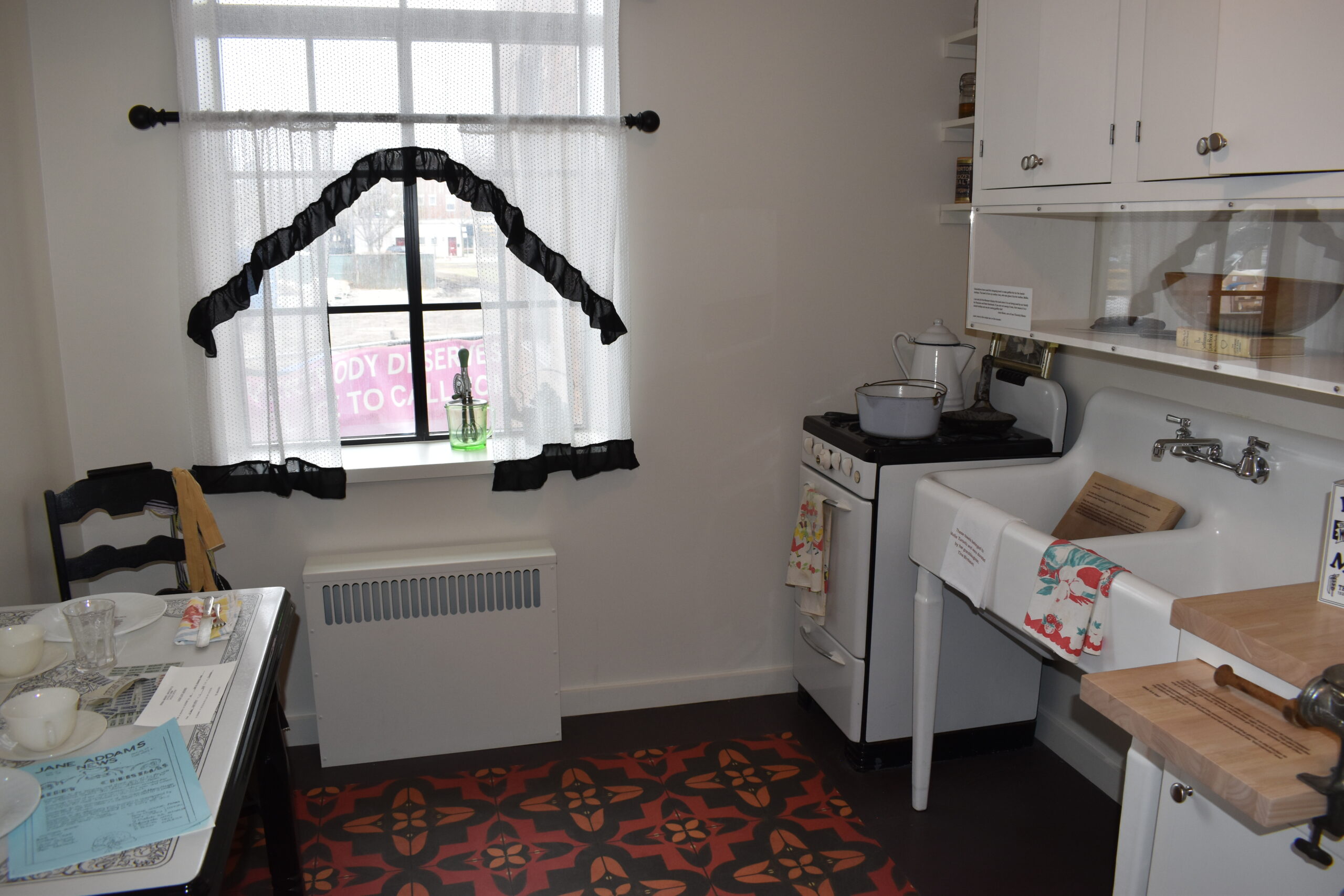
The NPHM features restored apartments, an oral history archive, and interactive exhibits that promote public housing as a human right through storytelling and community development. The NPHM is open Wednesday – Sunday, 10:00 a.m. – 5:00 p.m.